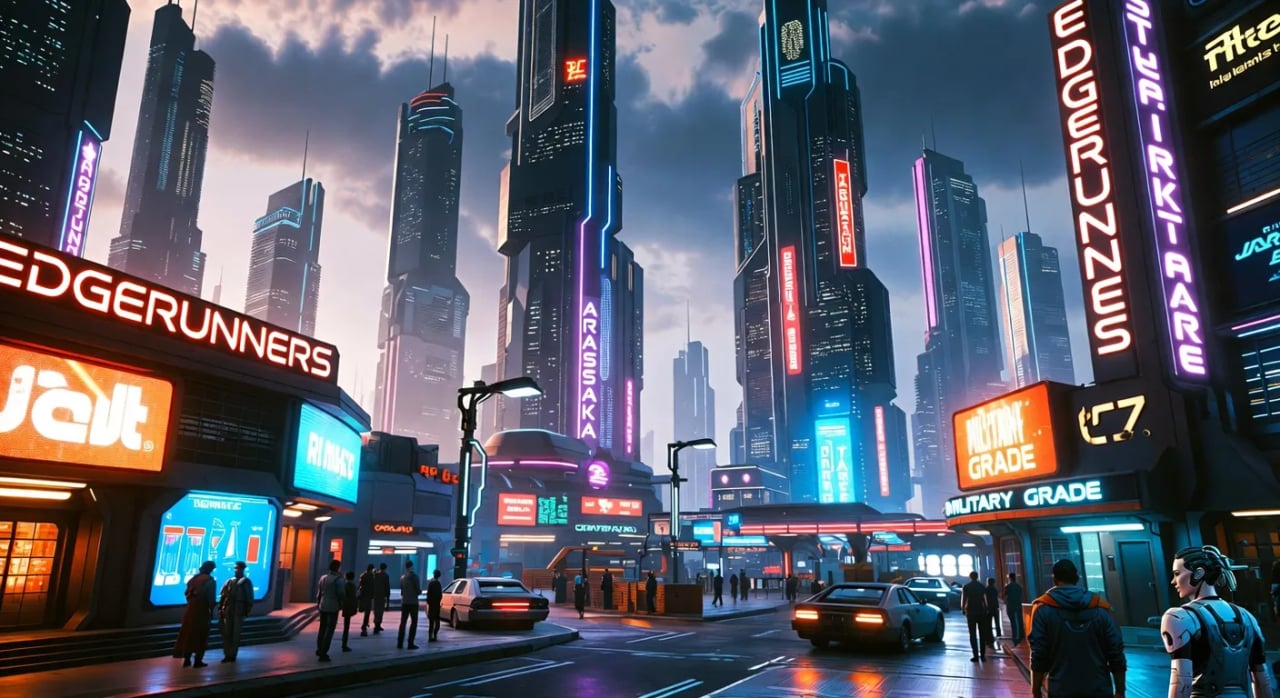



You probably remember the launch day drama — the hype, the wishlist posts, then the tumble. I can still picture standing up at midnight, coffee in hand, watching the first playthrough clips and thinking, 'this is either groundbreaking or a mess.' This post is for you: the player who stuck around, the dev curious about crisis management, and the fan who wants to know how Night City got its swagger back. We'll take detours, tell one tiny made-up midnight-launch anecdote, and maybe rant a little about patch notes.
1) The Rocky Launch and the Patch Roadmap
You remember exactly where you were on December 10, 2020, when Cyberpunk 2077 finally launched. The hype was huge, but the headlines turned fast—especially on consoles. You saw the bugs, the crashes, and the rough frame rate that made Night City feel more broken than alive.
Then the backlash hit full speed. Sony pulled the game from the PlayStation Store, and mass refunds became the story. That moment wasn’t just bad press—it was a full PR crisis that forced CD Projekt Red to respond in public, and quickly.
From chaos to triage
You could feel the studio shift into emergency mode. Instead of big promises, you started getting patch notes and hotfixes. The roadmap became simple: stabilize first, improve later.
Patch 1.1: early fixes, but also showed how deep the problems were.
Patch 1.2: a major step, targeting performance, quests, and common crashes.
Update 1.5 (next-gen): the turning point—better performance, smoother systems, and more reliable gameplay.
After a few sessions on the newer builds, you noticed the difference. Missions broke less, driving felt steadier, and the city stopped fighting you at every corner. The comeback didn’t happen overnight, but the patch roadmap made it visible, one update at a time.
2) Community, Mods, and the Player-Driven Revival
When Cyberpunk 2077 stumbled, you didn’t just wait for fixes—you watched players step in and fill the gaps. Modders pushed out stability patches, smart quality-of-life tweaks, and cosmetic overhauls that made Night City feel fresh. Some mods smoothed frame drops. Others cleaned up the UI, improved driving, or added small touches that made the world feel more alive. Little by little, the game’s comeback story started to look real.
Where the real changelog lived
You also saw how the community shaped the narrative. Forums, Reddit threads, and mod pages became living changelogs you could trust more than some headlines. Players compared patch notes to real results, shared settings that worked, and warned you about broken updates before you wasted an evening troubleshooting. In a weird way, the crowd became your support team.
Stability mods that reduced crashes and stutter
Quality-of-life fixes for menus, loot, and controls
Cosmetic upgrades that reshaped characters and streets
“It’s not perfect, but it’s finally fun again.”
I still remember a rainy Sunday when you just want comfort gaming. I downloaded a fan mod, restarted the game, and suddenly Night City felt like mine again—smoother, stranger, better. That’s the player-driven revival: you didn’t just return to the game; you helped rebuild it.
3) Business Lessons: Transparency, Refunds, and Trust
You didn’t just watch a messy launch—you watched a studio walk through one of gaming’s biggest PR crises in real time. When Cyberpunk 2077 hit broken performance, especially on consoles, refunds became the headline. Public apologies followed. And the simple promise to “fix the game” turned into the playbook for damage control.
Refunds and honesty as the first reset
Refund options signaled one clear thing: your time and money mattered. It wasn’t perfect, but it showed that trust can’t be patched in later like a bug. If a company wants you to stay, it has to meet you where the problem is—fast, clearly, and without excuses.
Structural changes after the hit
The financial and reputational wounds forced real changes. You saw clearer roadmaps, checkpointed milestones, and more direct community outreach. Updates weren’t just “soon.” They became dated, tracked, and easier to judge. That shift matters because it turns hype into accountability.
Clearer roadmaps so you can see what’s coming
Milestones that break big fixes into measurable steps
Direct outreach that treats feedback as data, not noise
You might forgive a game if you feel the maker treated you like a partner rather than a mark.
4) Culture, Media, and the Narrative Turnaround
For a long time, Cyberpunk 2077 lived in the shadow of its launch. You didn’t just hear “bugs”—you heard a whole story about failure. Then Edgerunners hit Netflix, and the mood shifted fast. It wasn’t planned as a rescue mission, but it worked like one. You might’ve binged the anime in a weekend, felt that punch in the gut, and suddenly wanted to walk Night City again—with new eyes.
Edgerunners as the surprise PR surge
The show didn’t argue with the past. It reminded you what the game always had underneath the mess: style, heartbreak, and a city that feels alive. It made the world feel worth returning to, even if you swore you were done.
Memes, reviews, and the “wait… it’s good now?” wave
Memes stopped being only about glitches and started being about characters, vibes, and moments.
Reviews and retrospective thinkpieces reframed the story from “broken release” to “rehabilitated world worth exploring”.
Streams and clips made it normal to say you were back in the game.
Imagine Night City as a character that had to go to rehab—Edgerunners was the supportive friend who reminded people why they fell for the city in the first place.
Wild Card: Two Quick Thought Experiments
1) If Night City were real, what would “patching” look like?
Picture Night City as a real metropolis you have to run, not just roam. The “hotfix” is traffic engineering: smarter lights, safer crosswalks, fewer pileups at bad intersections. The “stability patch” is public safety: better street lighting, faster emergency response, and clear rules that actually get enforced. The “performance update” is infrastructure upgrades: power grids that don’t flicker, transit that shows up on time, and roads that don’t feel like a glitchy mess. That’s what the Cyberpunk 2077 comeback story feels like—less about hype, more about steady, practical fixes that make the whole place work.
2) The comeback as a classic car restoration
Now treat the game like a classic car you found in a dusty garage. You don’t just repaint the body and call it done. You rebuild the engine, replace worn parts, and tune it until it runs smooth. Then you polish it, sure—but you keep a bit of grit, because that’s part of the charm. That’s why you notice the difference when you return: the shine is real, but so is the hard work underneath.
In the end, you don’t remember the launch as the final word. You remember the rebuild—and how it made Night City worth visiting again.