



I grew up skimming character bios and obsessing over small lines; when Young Sheldon started, I bristled at how Sheldon’s stories made his dad sound cartoonishly cold. Watching the prequel, though, I found myself jotting notes, occasionally tearing up, and mentally tallying moments where George Sr. quietly contradicts that older, meaner portrait. This outline is my running commentary—half fan note, half micro-essay—on ten scenes that changed how I see George Cooper Sr.
Reframing a Father: 10 Moments that Surprise (Overview)
In the video I’m summarizing, I’m given a spoiler alert up front, then walked through 10 moments where Young Sheldon pushes back on the harsher Big Bang Theory stories about George Sr. (George Cooper). Instead of a one-note punchline, these scenes show steady Character Development—a dad who is clumsy sometimes, but present more often than adult Sheldon’s jokes suggest.
Quick tally: 10 scenes that When considering the essence of a Loving Father, it often brings to mind the Family Sacrifices he makes for his loved ones. Take, for example, the iconic show The Big Bang Theory. Characters like Howard Wolowitz exemplify a Sympathetic Character who embodies this theme of parental devotion and the sacrifices that often go unnoticed. It’s a beautiful reminder that, while humor and light-heartedness can dominate our screens, the depth of character lies in these moments of selflessness and commitment to one's family. Sheldon’s later anecdotes
A dinner with Dr. Sturgis quickly takes an unexpected turn, transforming what initially seemed like a routine gathering into a profound family science time, steeped in both humor and heartfelt emotions. As the evening unfolds, we find ourselves in the midst of a delightful exploration reminiscent of the moments celebrated in *The Big Bang Theory*, where laughter and learning dance hand in hand. At the dinner table, surrounded by contemplative discussions and jovial banter, adult Sheldon expresses a rare moment of vulnerability. In the warmth of familial bonds and the stimulating conversation sparked by Dr. Sturgis's captivating insights, Sheldon begins to reflect on his relationship with his father. This isn't just any typical reflection; it carries a weight of remorse as he admits his regret about never saying the words that could have forged a deeper connection: "I love you." This realization brings a poignant depth to the evening, as we witness the inner workings of a mind that has often prioritized logic over emotion. Sheldon's journey through the intricacies of his past presents a startling glimpse into the heart of what it means to be a loving father—a complex and often unspoken expectation that can sometimes be lost in translation. Amid the laughter and science jokes, a profound lesson emerges: the importance of expressing love and acknowledgment in our relationships, especially with those closest to us. As the night winds down, the vibrant discussions around physics and the universe interweave with personal storytelling, reminding us that family isn’t just about blood relations; it’s also about the honest conversations that propel us into deeper understanding. Just like in *The Big Bang Theory*, where characters often come to terms with their flaws and their desires for connection, Sheldon’s admission serves as a reminder for all of us to appreciate the significant bonds that shape our lives. Through laughter, science, and the honesty about our emotions, we create the genuine family experiences that sustain us in the face of life’s complexities. In the end, this dinner with Dr. Sturgis isn't merely a feast of food or knowledge; it's a celebration of the intricate dance between intellect and emotion—a chance to redefine relationships and acknowledge the essence of what it truly means to express love. “Pilot”: George looks out for Georgie’s embarrassment on the first day of high school.
“A Docent, A Little Lady and a Bouncer Named Dalton”: Missy’s first period; George panics, then tries buying supplies at Longhorn Drugs until Gretchen helps.
Life-lesson beats: pushing Georgie to grow up; teaching Sheldon about commitments (like candy sales) and not blurting everything out.
“Cape Canaveral, Schrödinger's Cat, and Cyndi Lauper's Hair”: the NASA trip and the rained-out launch; George uses science talk to lift Sheldon’s mood.
Supporting Mary: backing her church job, standing by her through pregnancy and miscarriage.
Defending the family when the church/community turns cold over Georgie’s situation; he confronts the pastor.
“Hobbitses, Physicses and a Ball With Zip”: baseball bonding with Missy; he becomes her loudest supporter.
“An Eagle Feather, a String Bean, and an Eskimo”: driving to Dallas at night to bring Sheldon home.
“Pasadena”: helping Sheldon face flying fears through a Star Trek role-play.
Why these moments matter in Young Sheldon
The video’s point is simple: what played as quick, narrator-driven burns in The Big Bang Theory becomes lived behavior in Young Sheldon. Adult Sheldon even admits:
“He would often pretend to be dumb just to make me feel better.”
I also note the production angle: Chuck Lorre and the producers aimed to humanize George Sr., and Lance Barber’s performance keeps George Cooper from feeling cartoonish. That matters more knowing canon details like George Sr. dying in his 50s and Georgie becoming the sole provider at 18.
Personally, I remember laughing at Sheldon’s barbs in Big Bang Theory; seeing George Sr. actually show up like this made me rethink how reliable those jokes were as “truth.”

Small Acts, Big Impact: Moments of Care and Comfort
Young Sheldon and the Sheldon Relationship: Curiosity at the Dinner Table
One of the clearest examples of George Sr. as a Loving Father comes in “A Black Hole”. Dr. Sturgis joins the Coopers for dinner, and what could have been a normal meal turns into a family-wide science talk about black holes and possible outcomes. I noticed how the conversation pulls everyone in, creating shared curiosity instead of isolation. Even when the ideas get wild and funny, George Sr. stays present and engaged, which directly pushes back on the simplified The Big Bang Theory version of him as uninterested.
By the end, adult Sheldon reflects on a regret that lands hard: he wishes he had told his dad how much he appreciated and loved him while he was alive. Young Sheldon doesn’t say it outright, but he does show he enjoyed the night, and George Sr.’s response and their shared smile make the warmth obvious.
Life Lessons Through Science: Comfort After the Rained-Out Launch
In “Cape Canaveral, Schrödinger's Cat, and Cyndi Lauper's Hair”, George Sr. drives Sheldon to the Space Center after NASA doesn’t respond to Sheldon’s VTVL technology calculations. When the shuttle launch gets rained out, Sheldon is crushed. George Sr. reads the moment and shifts into a science chat about lightning and thunder—not to show off, but to steady his son emotionally.
“He would often pretend to be dumb just to make me feel better.”
For me, this is active parenting: he uses science-themed comfort to help Sheldon regulate disappointment, and those small moves contribute to Sheldon’s emotional growth.
Meeting Sheldon on His Terms: “Pasadena” and Flying Fear
In “Pasadena”, Sheldon is anxious about flying to a university interview. George Sr. doesn’t dismiss the fear; he adapts to Sheldon’s logic and interests by role-playing Star Trek, with George as Captain Kirk and Sheldon as Mr. Spock. When Sheldon points out that Kirk and Spock don’t hold hands, George answers quickly:
“Sorry.”
That simple adjustment shows how George Sr. chooses comfort over pride, again contradicting the idea that he never tried to connect.

The Provider and the Sacrifices: Family Over Self
George Sr., Family Sacrifices, and the Oklahoma Coaching Position
One of the clearest examples of George Sr. choosing stability over ambition is when George Cooper turns down a more prestigious Coaching Position in Oklahoma. The video frames it as an explicit act of Personal Sacrifices: he could have chased a better job and a fresh start, but he didn’t want to uproot the kids or shake up their routine. This is one of the moments that pushes back against the “buffoon” image from Sheldon’s later stories, because it shows a man thinking long-term about what his family needs, not what makes him look successful.
An Emotional Anchor After Mary’s Miscarriage
The video also points to how George steps up when Mary faces pregnancy complications and later a miscarriage. Their marriage has real strain, and the show doesn’t pretend otherwise, but in these scenes he isn’t distant or careless. He’s present, supportive, and steady when the household is hurting. For me, this is where the idea of Family Sacrifices becomes more than money or career—it’s about carrying emotional weight even when you’re tired, frustrated, or unsure what to say.
Defending the Family When the Church Turns Away
When the community and church shun the Coopers after Georgie’s pre-marital pregnancy, George doesn’t stay quiet to keep the peace. He confronts the pastor and calls out the hypocrisy. The video highlights this as protective, not performative—he’s willing to be the “bad guy” publicly so his family doesn’t have to stand alone.
George Sr.: “Did I want to get stuck coaching high school football? Did I want to live across the street from your mother? … Because you never bothered to ask.”
That line matters because it admits the cost. Mary’s later recognition of his uncredited sacrifices adds to the reframing: George wasn’t always happy, but he kept choosing the family anyway.
My Personal Tangent: Quiet Sacrifice Can Still Be Love
I once declined a job that would have moved my aging parents away from home. I didn’t announce it as a noble act, and I felt some resentment at times. Watching George Cooper, I recognized that kind of quiet sacrifice—the kind you don’t get thanked for—can still be love. The video also notes the ripple effect: after George Sr. dies in his 50s, Georgie becomes the family’s provider at 18, which makes George’s earlier choices feel even heavier.

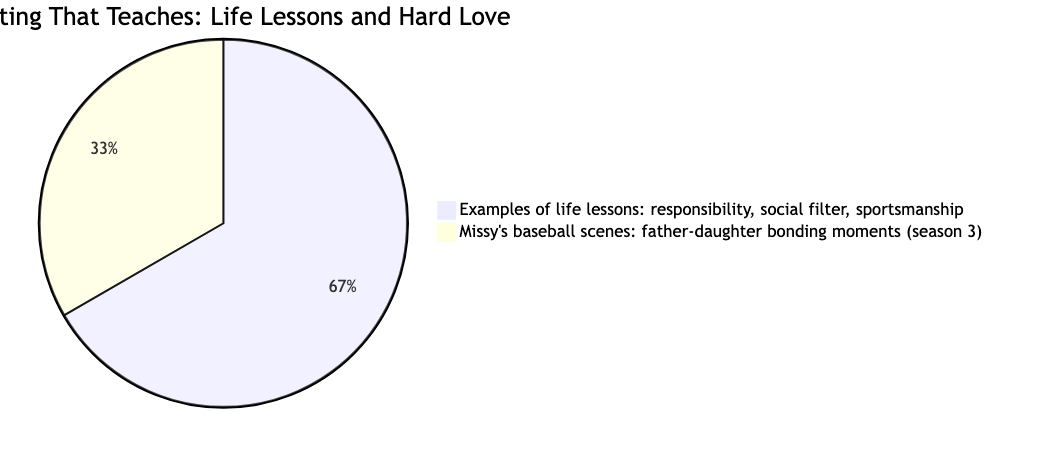
Parenting That Teaches: Life Lessons and Hard Love
In Young Sheldon, I see George Cooper as a Loving Father who teaches in a practical, down-to-earth way. The video argues that his parenting often contradicts the “lazy, dumb dad” idea that comes up in Sheldon's later stories. Instead of big speeches, George Sr. uses everyday moments to shape his kids, even when it makes him look strict or awkward.
Young Sheldon Life Lessons: Responsibility, Restraint, and Sportsmanship
With Georgie, George’s approach is tough but intentional. I notice he keeps pushing him toward responsibility, like he’s trying to prepare his son to grow up and provide. It doesn’t always come out gentle, and Georgie doesn’t always take it well, but the point is clear: George wants more for him than coasting.
With Sheldon, the Life Lessons are social and moral. The video highlights several recurring teaching moments:
Honor your commitments: George insists Sheldon follow through when he has to sell candy for school, even if Sheldon thinks it’s pointless or beneath him.
Don’t blurt out every thought: George takes on the “fine art” of helping Sheldon build a filter. It’s slow progress, but it’s hands-on parenting.
Winning isn’t everything: after Sheldon loses at the science fair, George tries to reframe the loss so Sheldon can cope without spiraling.
Adult Sheldon’s reflections in the video add weight here—he recognizes later that he didn’t always appreciate what his dad was trying to teach him at the time.
Missy Bonding: Showing Up, Even When It’s Uncomfortable
The video also connects George’s teaching style to Missy Bonding. In “A Docent, A Little Lady and a Bouncer Named Dalton,” he’s the parent present when Missy gets her first period. He panics, but he still goes to Longhorn Drugs and tries to buy what she needs. When he’s clearly out of his depth, Gretchen the cashier steps in—yet George’s effort is the point, and later he proudly calls her “my little lady.”
Then in “Hobbitses, Physicses and a Ball With Zip,” he bonds with her through baseball—teaching catch and curveballs, and supporting her even when she struggles. He tells her:
"I'm proud of you, slugger."
Emotional Ripples: Grief, Memory, and Legacy
Tragic Death and the shockwave through the Coopers
As I move through these moments of quiet care, I can’t ignore how the story ultimately lands: George Cooper dies young, in his 50s. That Tragic Death doesn’t just end a character arc—it reshapes the whole family system. The series makes it clear that Georgie becomes the provider at 18, and that sudden role shift changes how everyone remembers what came before. The kindnesses I’ve described—showing up, driving, defending, trying—start to read like a legacy of steady effort that only becomes fully visible after he’s gone.
Grief Expression: three kids, three languages
What hits me is how differently the Coopers handle Grief Expression. Mary’s grief is tied to faith, routine, and holding the household together. Missy’s grief feels more like being overlooked all over again, except now the one person who reliably saw her is missing. And Sheldon, true to form, processes loss in an analytical way. That distance isn’t a lack of love; it’s his coping style. Still, it can create rifts, because the people around him need warmth and shared mourning, not explanations.
Family Sacrifices that only make sense in hindsight
In hindsight, the show’s small mercies carry more weight: George driving to Dallas in the middle of the night to bring Sheldon home, or standing up to the church when the family is judged. His anger is rarely cartoonish; production notes emphasize he’s portrayed as hurt, not just harsh. That’s part of why Lance Barber’s performance matters—actor and director insights point to an intentional choice to humanize George, even when he’s flawed.
"You all talk a big game about community and then you just turn your back when things get a little messy."
Memory, comedy, and what we choose to keep
Young Sheldon keeps asking me to reassess memory itself. Adult Sheldon’s anecdotes in The Big Bang Theory often compress complicated behavior into comic shorthand, but this prequel reframes those jokes into layered family drama. If I imagine writing a parent’s obituary, I wonder what I’d highlight. The show chooses the small kindnesses—because that’s often what survives, long after grief settles into legacy.